Source 01
Barn Antique
Hand-hewn, weathered, one barn at a time.
How a barn comes down
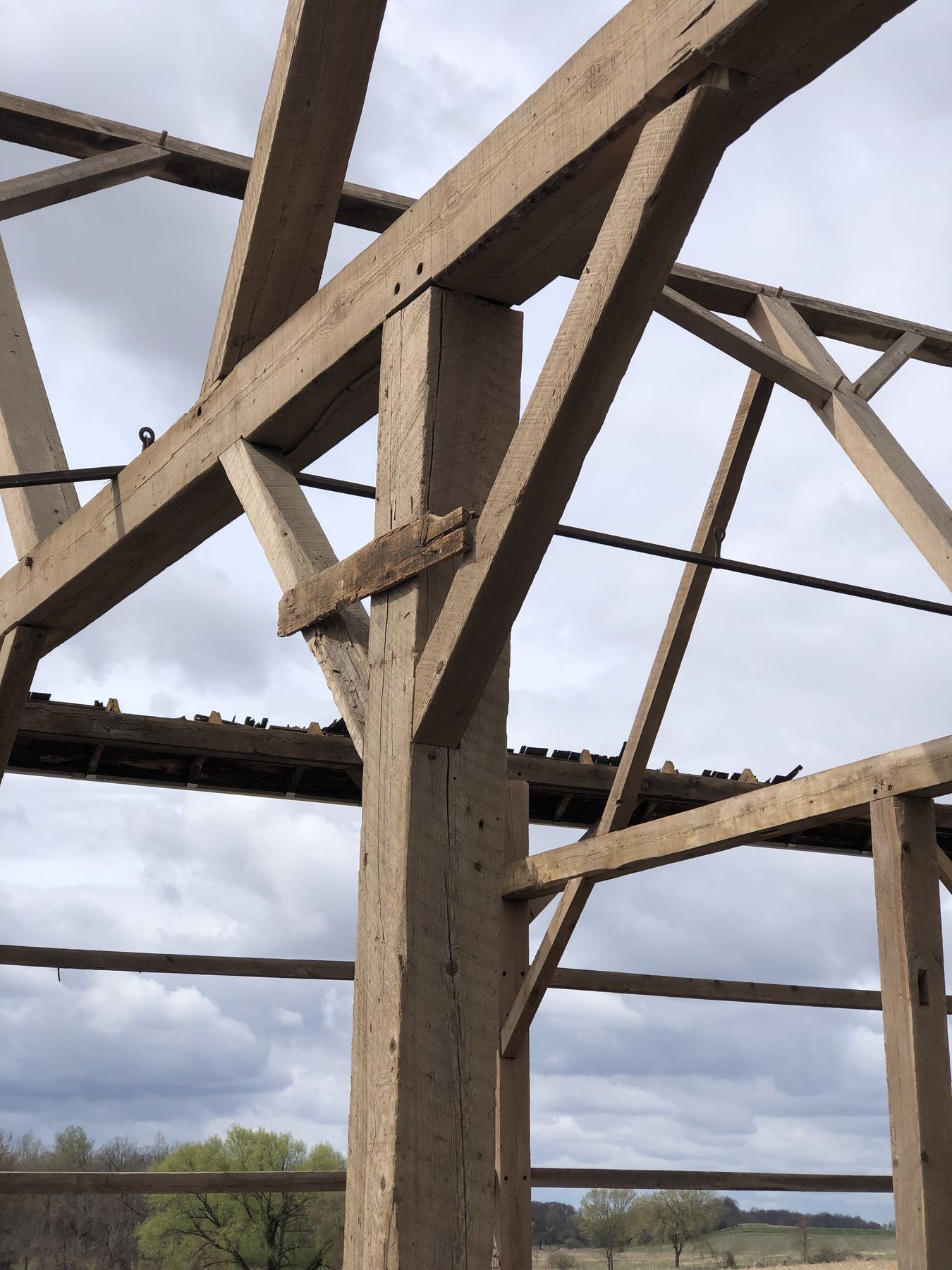
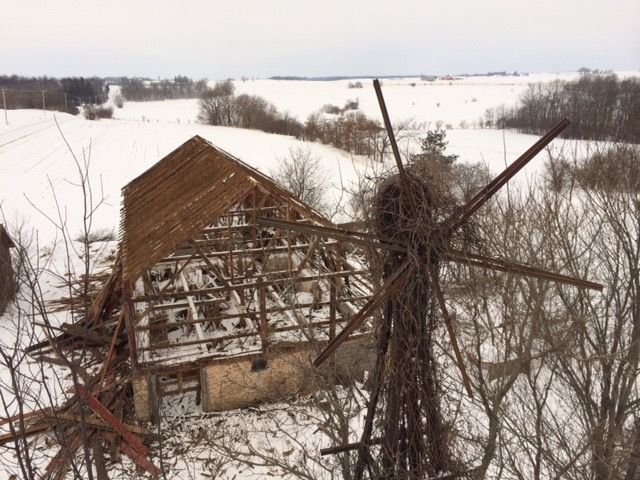
We take barns apart, we don't knock them over. When a farm family or a developer has a barn that's reached the end of its life, we walk it first — species, joinery, condition of the sills, what's salvageable and what's rot. Then the building comes down in the order it went up: roof, purlins, siding, then the frame itself, timber by timber, so nothing gets snapped by a machine.
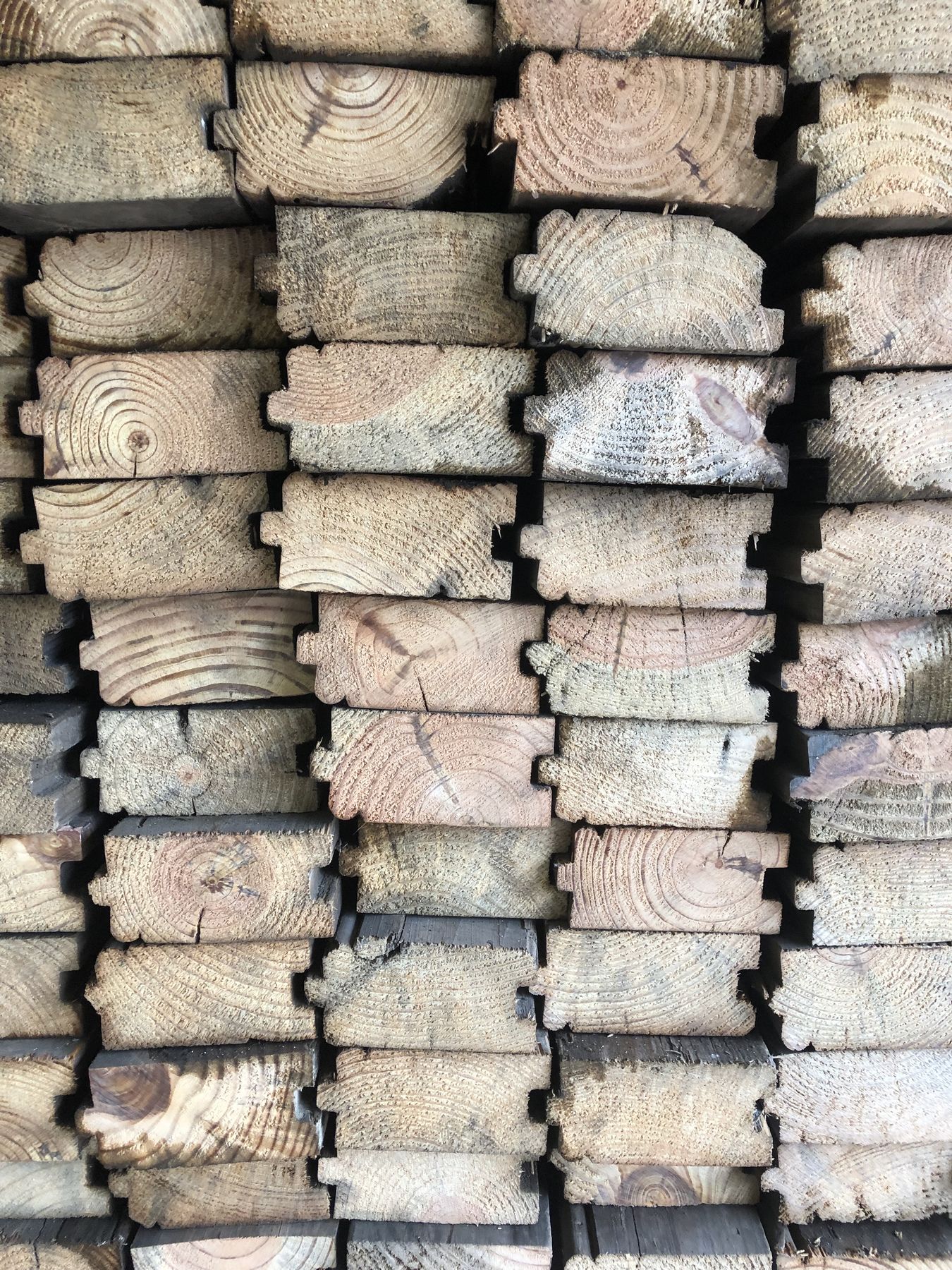
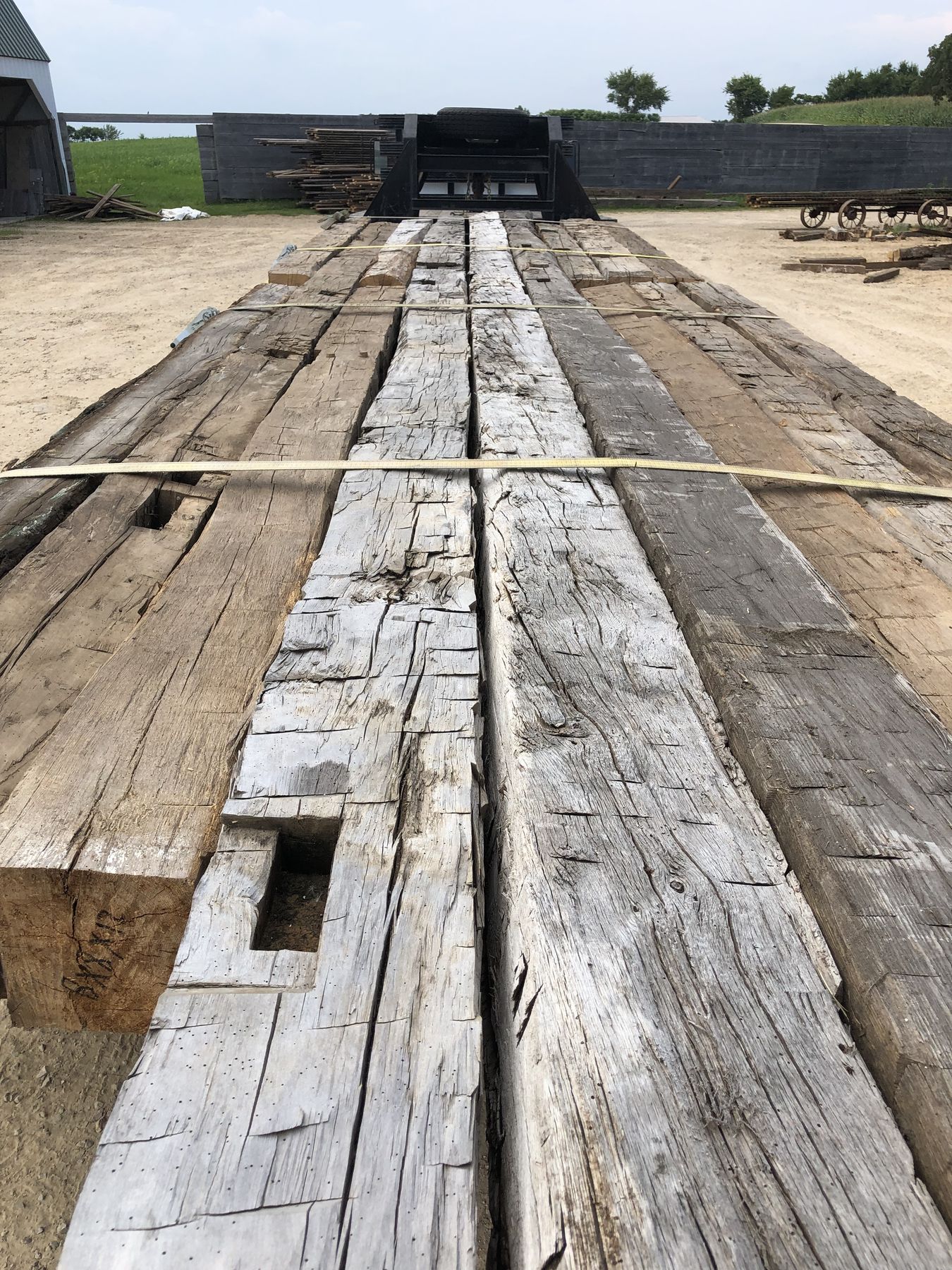
Every piece gets denailed, brushed, graded, and stacked by size and surface. What we pull out is old-growth wood — oak, elm, and pine cut from virgin Wisconsin timber, tight-ringed, and air-drying inside a roof for a hundred years or more. You cannot buy that at a lumberyard, because the trees it came from are gone.
What it looks like
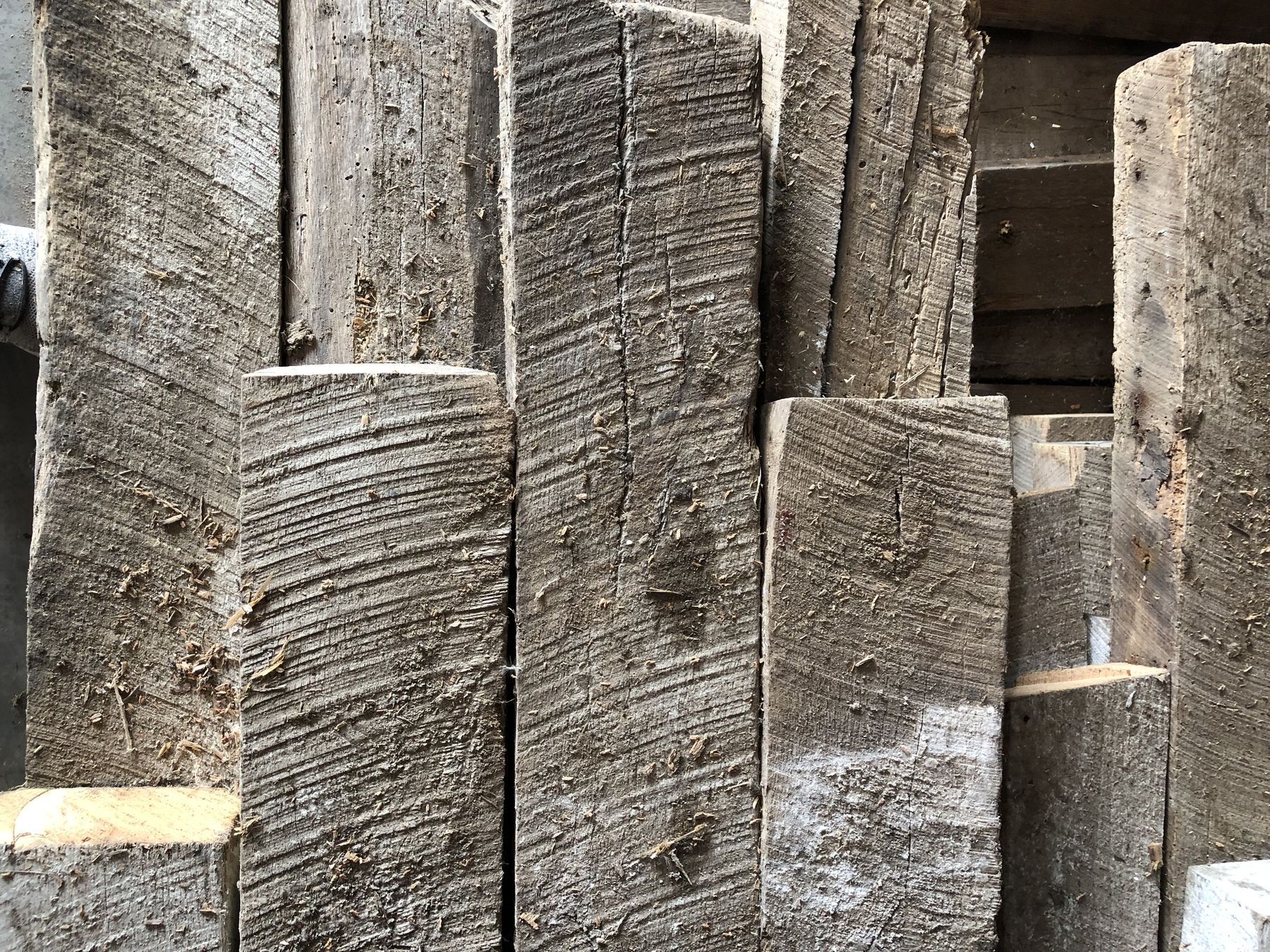
- Axe facets from hand-hewing, and circular or straight mill marks
- Silver-grey weathered faces, nail holes, and old paint remnants
- Mortise pockets, peg holes, and joinery scars left where they are
- Chalk numbers and layout marks from the framer who built it
Best for
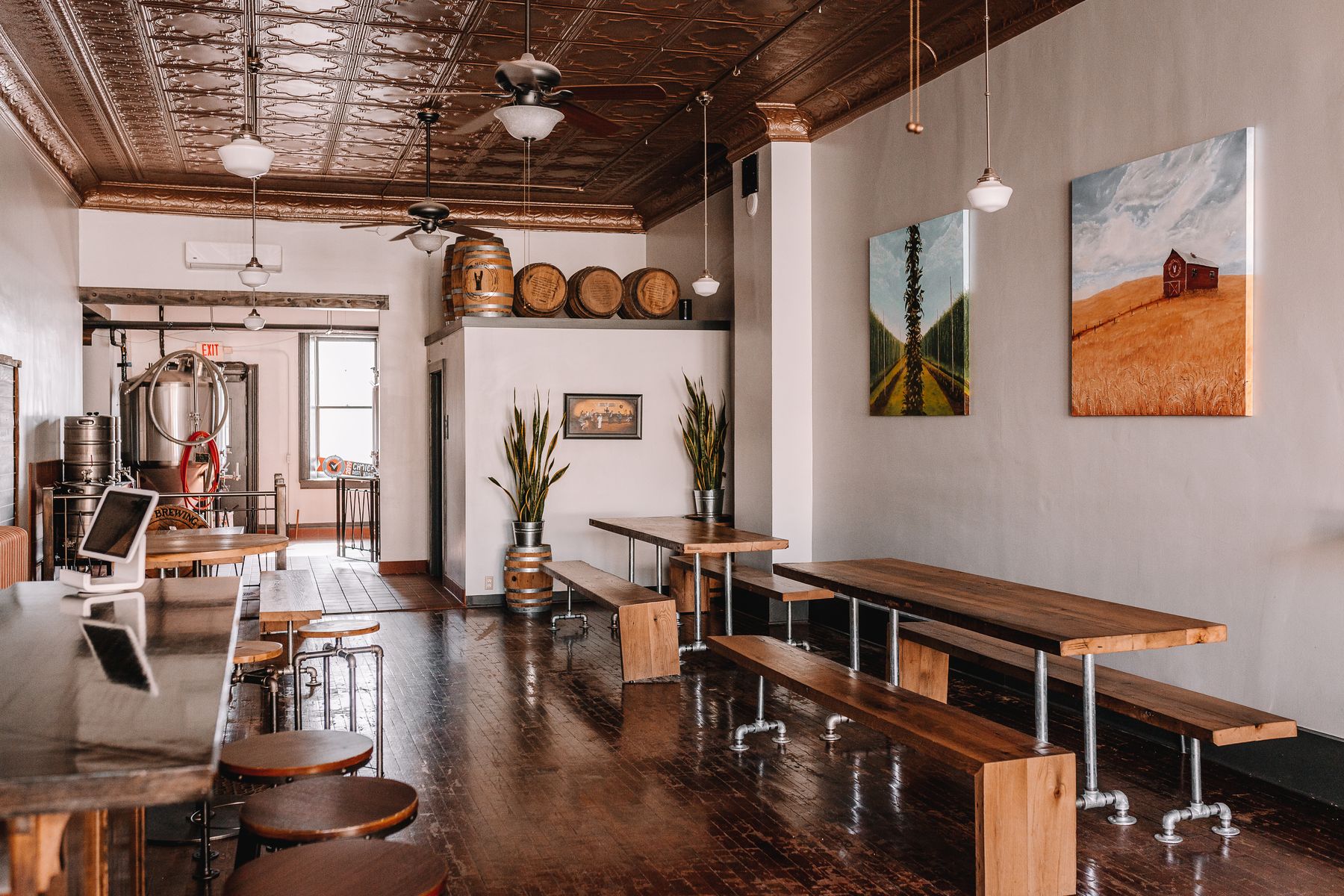
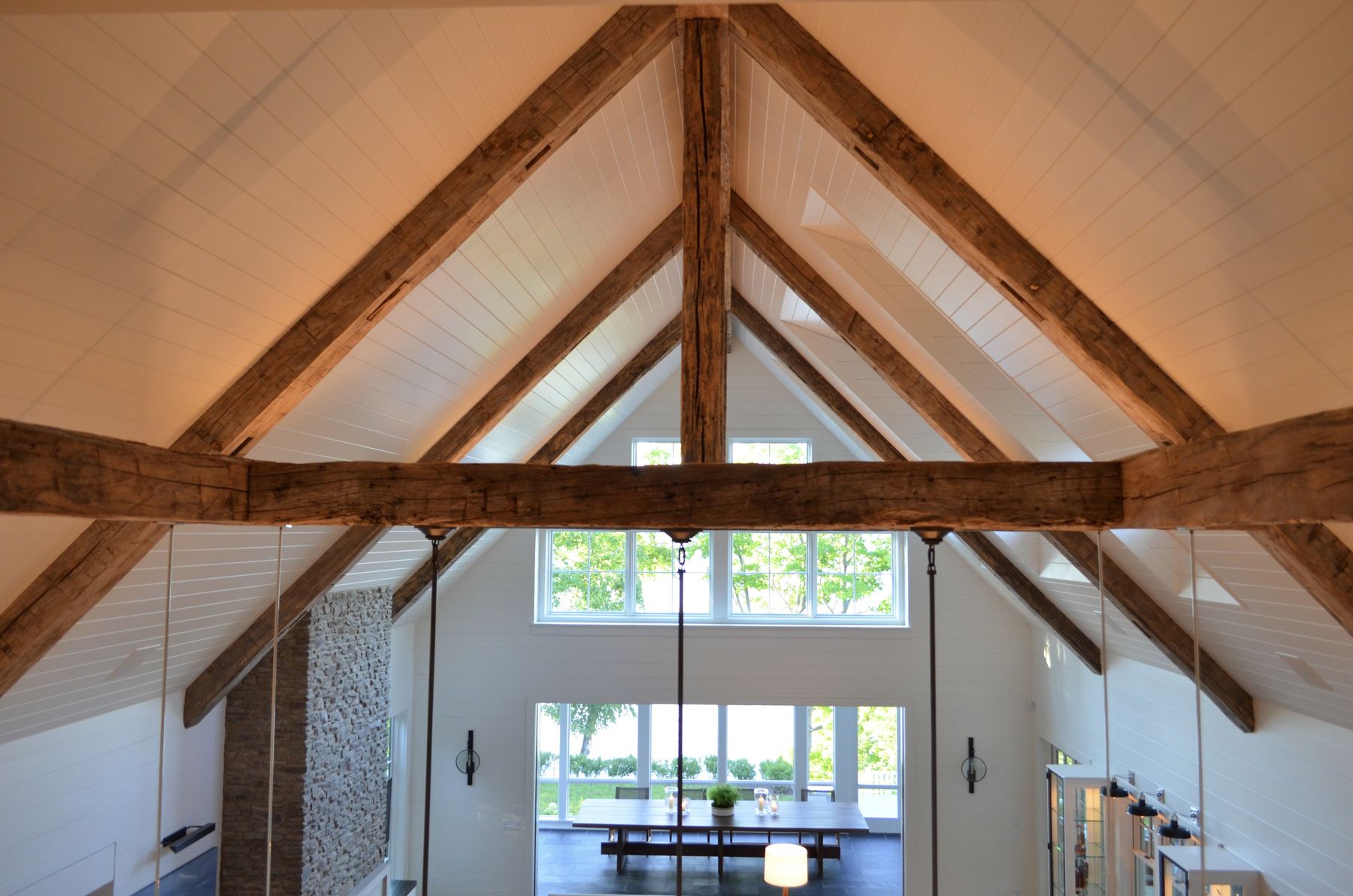
Exposed trusses and ridge beams, mantels, farm tables, feature walls, and any room meant to feel like it's been standing a long while.